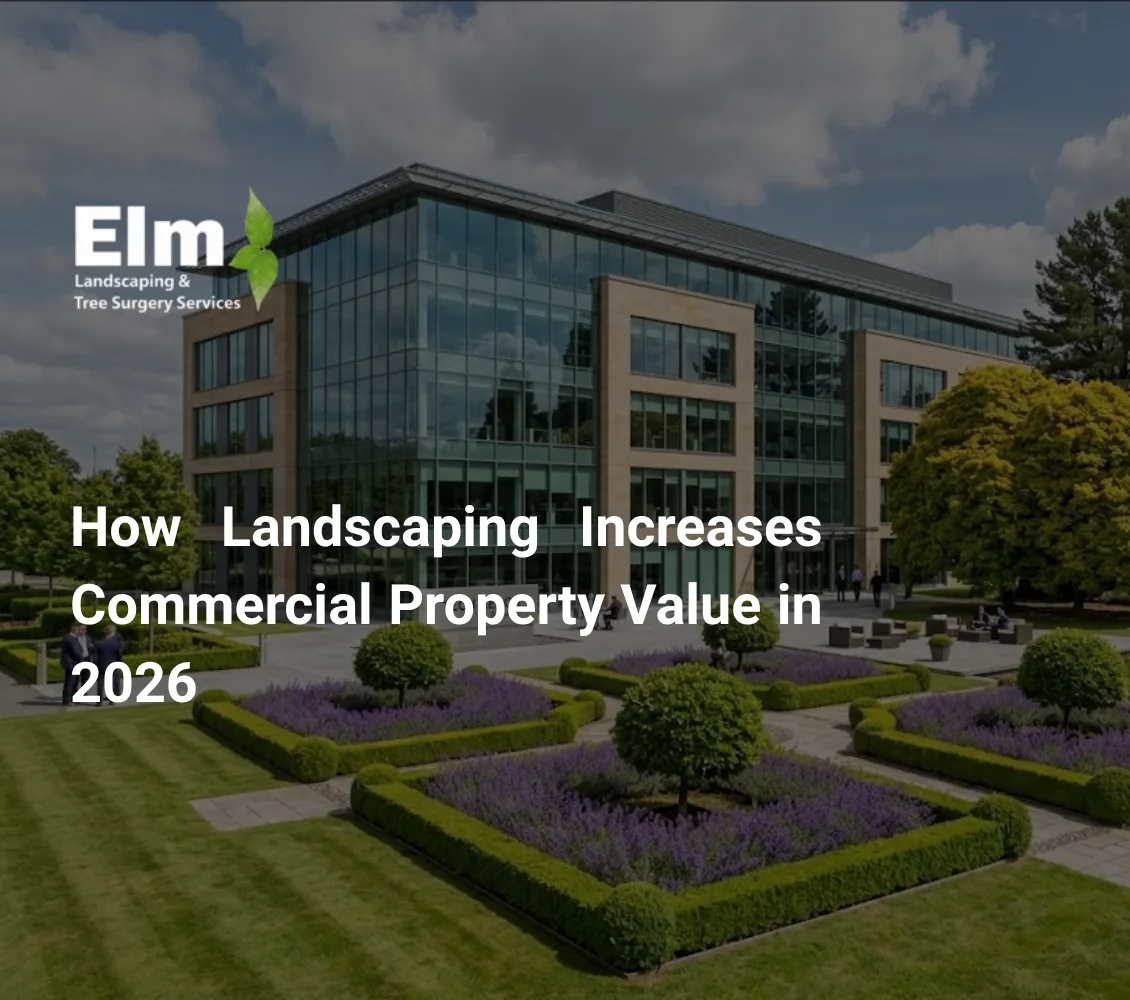
Strategic landscaping increases commercial property value by up to 20%. That figure comes up consistently across property research, and in a competitive Irish commercial market, it translates directly into stronger rental yields, shorter vacancy periods, and better sale valuations.
The outside of a commercial property is working before anyone gets out of their car. It tells prospective tenants whether the landlord takes maintenance seriously. It tells buyers whether they’re walking into a well-run asset or a deferred cost problem. Both groups price that signal into their offers.
This post covers what actually moves the needle on commercial property value, which landscaping work delivers the best return on investment, and what to prioritise if you’re preparing a commercial site for sale or lease in 2026.
Why Commercial Landscaping Affects Property Value
The link between professional grounds maintenance and property value isn’t just aesthetic. It connects to measurable factors that surveyors, tenants, and buyers all factor into their decisions.
A well-maintained commercial exterior signals that a property is cared for. It tells potential tenants that the landlord takes maintenance seriously. It tells buyers that they’re unlikely to face deferred costs from years of neglect. Both groups pay a premium for that confidence.
In Ireland, where commercial property in locations like Shannon, Limerick city, Galway, and Dublin’s suburban business parks competes heavily for occupancy, the condition of the grounds is a genuine differentiator. A property that looks sharp from the road attracts more enquiries. More enquiries mean stronger negotiating positions for the owner. The next question is how much that difference is actually worth, and the research gives a fairly precise answer.
The Numbers Behind Commercial Landscaping ROI
Putting figures on your return is useful before you decide what to spend. The research here is consistent enough to act on.
The American Society of Landscape Architects, whose research on commercial landscaping ROI is the most cited in the industry, found that well-landscaped commercial properties command rental premiums of 7% to 15% over poorly presented equivalents. For sale valuations, the uplift reaches 20% in competitive markets. European commercial property research sits in the same range.
The Irish commercial market gives those figures real teeth. According to CBRE Ireland’s most recent commercial property reports, vacancy rates in regional business parks outside Dublin remain a genuine challenge for landlords in Clare, Limerick, and Galway. In a market where two similar units on the same business park are competing for the same tenant, the condition of the grounds is not a soft differentiator. It is often the deciding factor.
In practical terms: a commercial unit in a business park outside Ennis or Limerick letting at €18,000 per year could attract an additional €1,260 to €2,700 annually in rental income simply by presenting better grounds. Over a 10-year lease, the gap between two otherwise similar properties becomes significant.
The cost of achieving that difference is lower than most property owners assume. A full commercial grounds redesign with planting, hard landscaping, and ongoing maintenance typically runs between €5,000 and €25,000 depending on site scale. Against improved rental yield or sale price, that investment is usually recovered within two to three years. Knowing the return is one thing. Knowing where to put the money is another.
What Strategic Landscaping Actually Means for Commercial Sites
A strategic approach is not about planting flowers and hoping for the best. It means planning the outdoor space to serve specific commercial objectives: attracting tenants, reducing vacancy periods, improving energy performance, and increasing long-term asset value.
For commercial properties in Ireland, that typically involves:
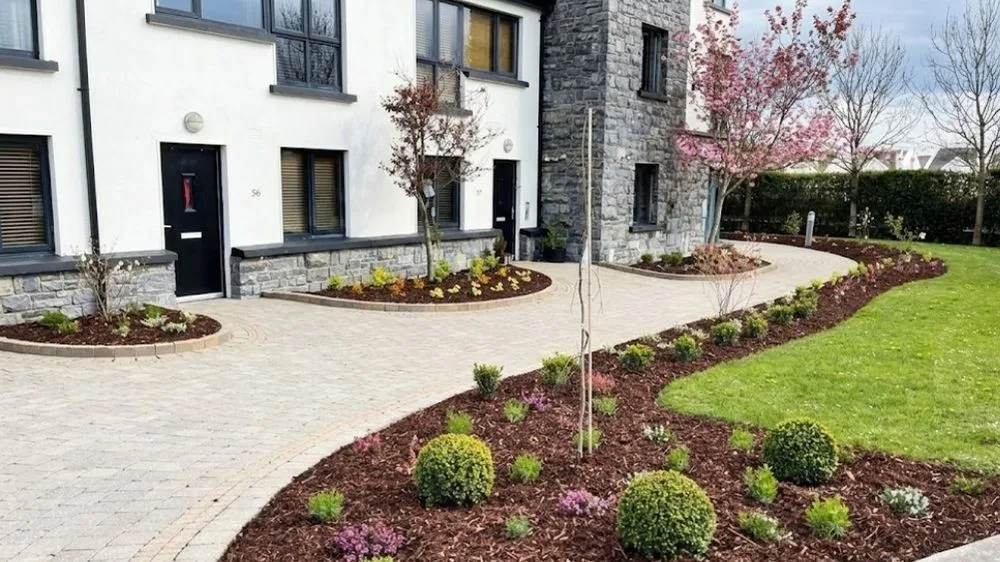
- Entrance design and signage integration: The arrival experience sets tone. Clear, well-planted entrances with defined paths and good lighting make a property feel more professional and more inviting to visitors and staff.
- Car park landscaping: Planted borders, defined bays, and good drainage in car parks are frequently overlooked but matter significantly to tenants evaluating multiple properties.
- Boundary treatment: Hedging and screening that defines the site perimeter, provides privacy from neighbouring properties, and reduces wind exposure. In Clare and Galway where exposure is significant, good boundary planting also has a practical function.
- Tree management and placement: Mature trees on a commercial site add character and value but need to be managed properly. Trees that overhang buildings, lift paving, or create liability risks reduce value rather than add it.
- Seasonal planting programmes: Year-round kerb appeal requires planting that performs across seasons. A commercial site that looks well in summer but bare in January tells a story about standards.
Most property owners think about landscaping purely in terms of new planting. But some of the most valuable work on a commercial site has nothing to do with what you add – it’s about managing what’s already there.
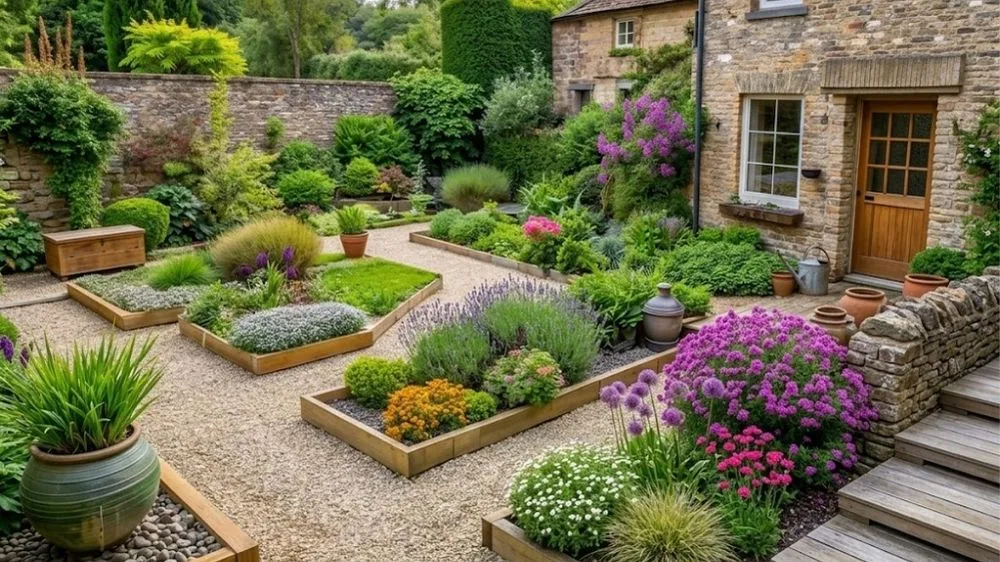
Tree Surgery as Part of Commercial Landscaping
A lot of commercial property owners think about landscaping purely in terms of new planting. But the condition and management of existing trees is just as important, and often more urgent.
Mature trees on commercial sites create issues when they’re not managed. Overhanging branches present insurance liability. Root systems can lift paving and tarmac. Trees too close to buildings affect damp and foundations over time. Poorly shaped trees that block natural light into offices or retail units make those units less attractive to tenants.
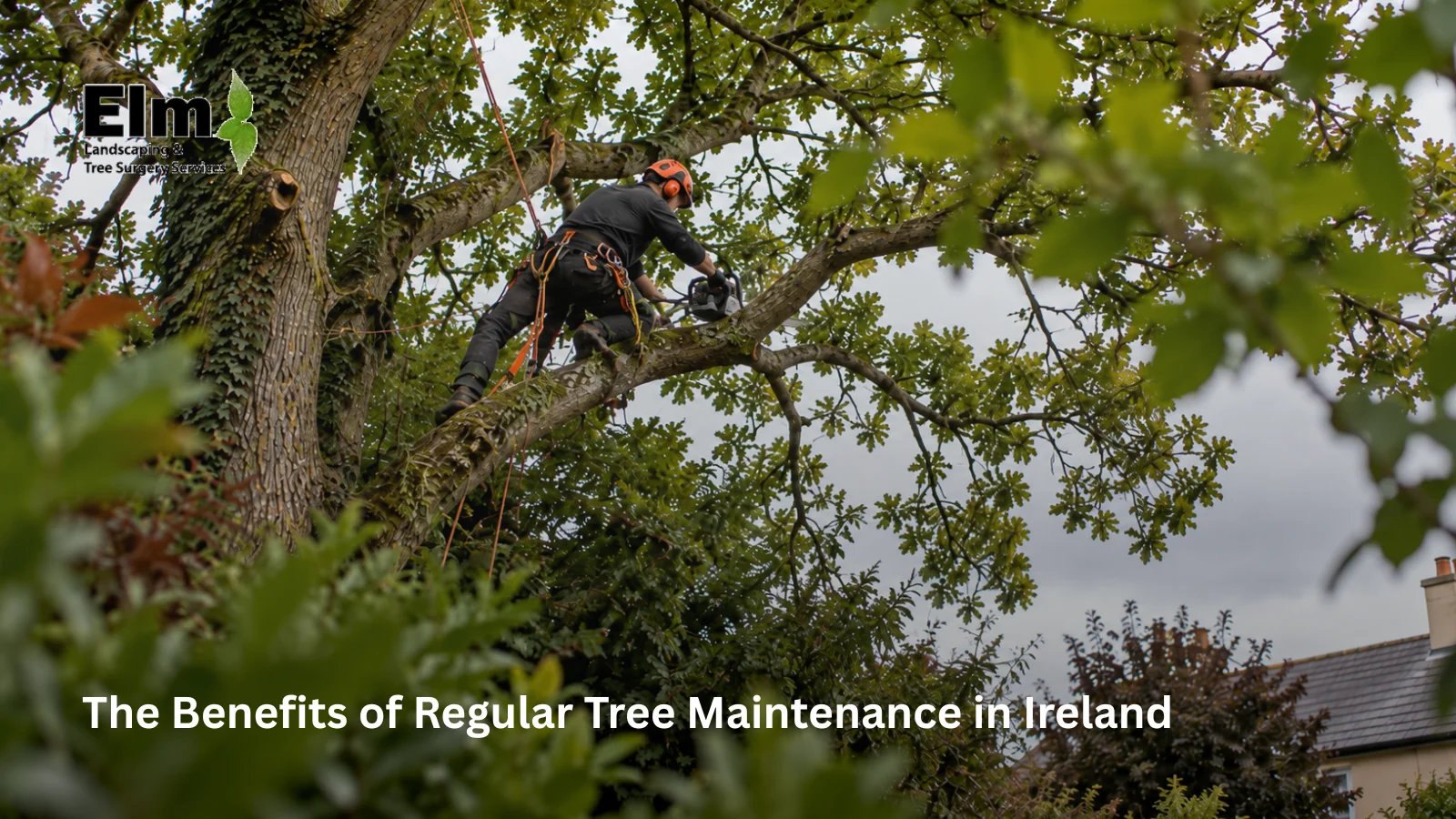
Professional tree surgery addresses all of those issues without necessarily removing trees that are otherwise healthy and contribute to the character of the site. Crown reduction brings branches back to safe distances from buildings. Crown lifting raises the canopy to allow better light and vehicle clearance. Deadwooding removes hazardous limbs before they become a problem.
Elm Landscaping carries out commercial tree surgery across Clare, Limerick, Galway, and Tipperary. As members of the Arboricultural Association and ISO certified, the standard of work meets the requirements most commercial property managers and their insurers expect. You can get a free quotation for commercial tree work without any commitment to proceed. Tree management protects the asset. Hard landscaping builds it.
Hard Landscaping: The Permanent Improvements That Add Most Value
Soft landscaping (planting, grass, hedges) contributes to appearance and first impression. Hard landscaping (paving, walls, drainage, paths, fencing) contributes to functionality, safety, and long-term maintenance costs.
Both matter, but hard landscaping tends to deliver more durable value uplift on commercial properties because it reduces tenant concerns about ongoing maintenance and liability.
Here’s how the main hard landscaping elements compare in terms of commercial value impact:
| Hard Landscaping Element | Value Impact | Typical Cost Range | Durability |
|---|---|---|---|
| Tarmac / paving resurfacing | High | €5,000-€30,000 | 15-25 years |
| Defined entrance with paving | High | €3,000-€10,000 | 20+ years |
| Drainage improvements | Medium-High | €2,000-€15,000 | 20+ years |
| Boundary walls / fencing | Medium | €2,500-€12,000 | 15-30 years |
| External lighting | Medium-High | €1,500-€8,000 | 10-15 years |
| Artificial grass (courtyards) | Medium | €2,000-€8,000 | 10-15 years |
Cost ranges are indicative for commercial projects in Ireland and vary significantly by site size and access conditions.
The combination of a clean entrance, well-defined car parking, and good boundary treatment tends to deliver the strongest overall return on commercial sites in the Irish market. These are the elements that appear in photos, feature in viewings, and get mentioned in tenant feedback.
Grounds Maintenance: The Ongoing Investment That Protects Value
One-off landscaping improvements deliver diminishing returns if they’re not maintained. A commercial site that was well-presented five years ago but has been allowed to run down has often lost more value than it gained from the original investment.
Regular grounds maintenance on a commercial property typically includes:
- Grass cutting and edge maintenance (typically fortnightly in growing season)
- Hedge and shrub trimming on a seasonal schedule
- Weed control on paved and gravelled areas
- Leaf clearance and seasonal tidy-ups
- Tree inspection and minor works as required
The cost of a commercial grounds maintenance contract in Ireland varies by site size, but most medium-sized commercial properties (0.5 to 2 acres) can be maintained for between €200 and €600 per month. That’s a small fraction of the rental income the property generates, and a small fraction of the value at risk from neglected presentation.
Elm Landscaping provides commercial grounds maintenance across Clare, Limerick, Galway, and Tipperary, with scheduled contracts that ensure the site stays presentable year-round rather than just before a viewing.
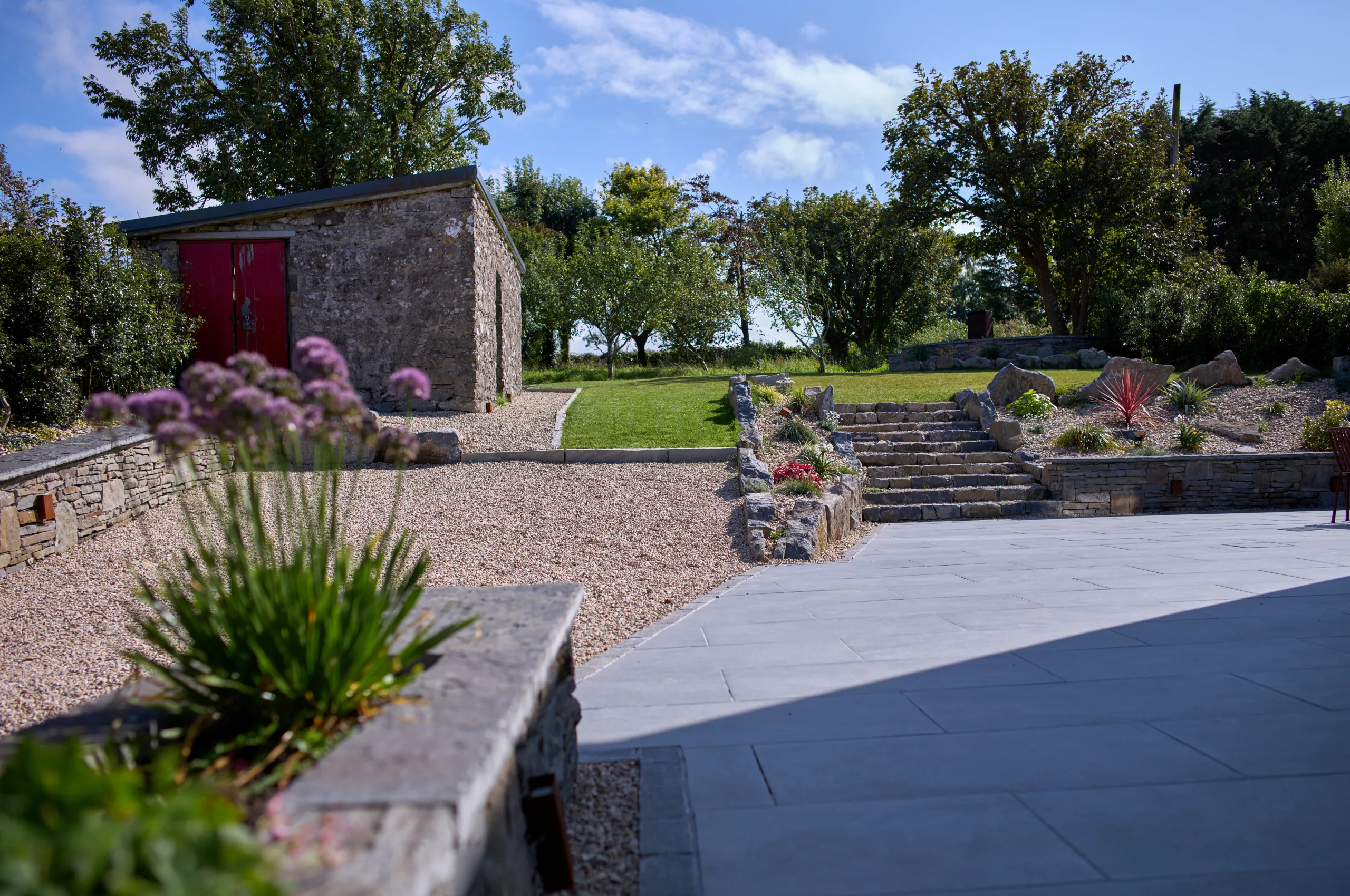
Sustainability and Landscaping in 2026
Commercial tenants and buyers in Ireland are increasingly factoring sustainability into property decisions. Planning authorities across Clare, Galway, and Limerick are placing more emphasis on green space retention and biodiversity in commercial developments.
Landscaping that incorporates native Irish species, reduces chemical inputs, and supports pollinators is now genuinely valued rather than just a box-ticking exercise. This matters practically for commercial properties going through planning or looking to maintain good relationships with local authorities.
Native hedgerow species like hawthorn, blackthorn, and hazel are well-suited to Irish commercial boundary planting. They establish quickly, require less maintenance than many ornamental alternatives, and are viewed positively in any planning context. They also provide effective screening and wind protection, which has practical value for exposed commercial sites in Connacht and Munster.
Installing bat boxes, bird boxes, and pollinator-friendly planting adds minimal cost but demonstrates active environmental stewardship. For commercial properties seeking Green Building or LEED credentials, these elements can contribute to certification criteria.
Preparing a Commercial Property for Sale: Where to Start
If you’re preparing a specific commercial property for sale or for remarketing to new tenants, the prioritisation question matters. You don’t need to do everything. You need to do the things that shift perception most effectively.
Based on experience with commercial sites across Clare, Limerick, and Galway, the highest-impact sequence is:
- Address any tree or hedge safety issues first. Overhanging trees, blocked entrances, and overgrown boundaries are the first things buyers and their surveyors notice negatively.
- Resurface or repair the car park and entrance. Cracked tarmac and broken paving send a strong negative signal. Resurfacing delivers visible, immediate improvement.
- Define the entrance clearly with planting and hard landscaping. The arrival experience is the one that gets photographed for marketing materials.
- Establish a grounds maintenance schedule so the site is consistently presented, not just prepared once for a viewing.
This sequence works because it addresses the most visible issues first and ensures the investment is maintained rather than allowed to deteriorate.
Frequently Asked Questions
How much does landscaping increase commercial property value in Ireland?
Research from the American Society of Landscape Architects consistently shows that well-landscaped commercial properties command a valuation uplift of up to 20% compared to equivalent properties with poorly maintained grounds. Rental premiums typically fall in the 7% to 15% range. In the Irish commercial market, where regional business parks outside Dublin face real competition for tenants, the condition of the grounds has a direct effect on enquiry levels, negotiating position, and achievable rent. The return on a professional landscaping investment is generally realised within two to three years through improved yield or sale price.
What landscaping work adds the most value to a commercial property?
Hard landscaping consistently delivers the most durable value uplift on commercial sites. Entrance paving, car park resurfacing, drainage improvements, and boundary treatment reduce tenant concerns about ongoing maintenance and liability, which is what drives premium valuations. Soft landscaping, including planting programmes and seasonal colour, contributes significantly to first impressions and kerb appeal but needs to be maintained to retain its value. The highest-return approach combines a well-designed entrance, a properly surfaced car park, defined boundaries, and a managed planting programme that performs year-round rather than just in summer.
Does tree management affect commercial property value?
Yes, and it cuts both ways. Mature, well-managed trees add character and value to a commercial site. Poorly managed trees reduce it. Overhanging branches create insurance liability. Root systems lift paving and tarmac. Trees too close to buildings affect damp and foundations over time. Trees that block natural light into offices or retail units make those units less attractive to tenants. Professional tree surgery addresses all of these issues without removing trees that are structurally sound and contribute to the character of the site. Crown reduction, crown lifting, and deadwooding keep existing trees as assets rather than liabilities.
How much does commercial landscaping cost in Ireland?
The range is wide depending on site scale and the scope of work involved. A full commercial grounds redesign including planting, hard landscaping, and drainage typically runs between €5,000 and €25,000. Ongoing maintenance contracts for commercial sites vary based on size and specification but generally run from €1,500 to €6,000 per year. The more useful question is what the investment returns against improved rental yield or sale price, which for most commercial sites in Clare, Limerick, and Galway works out to full recovery within two to three years.
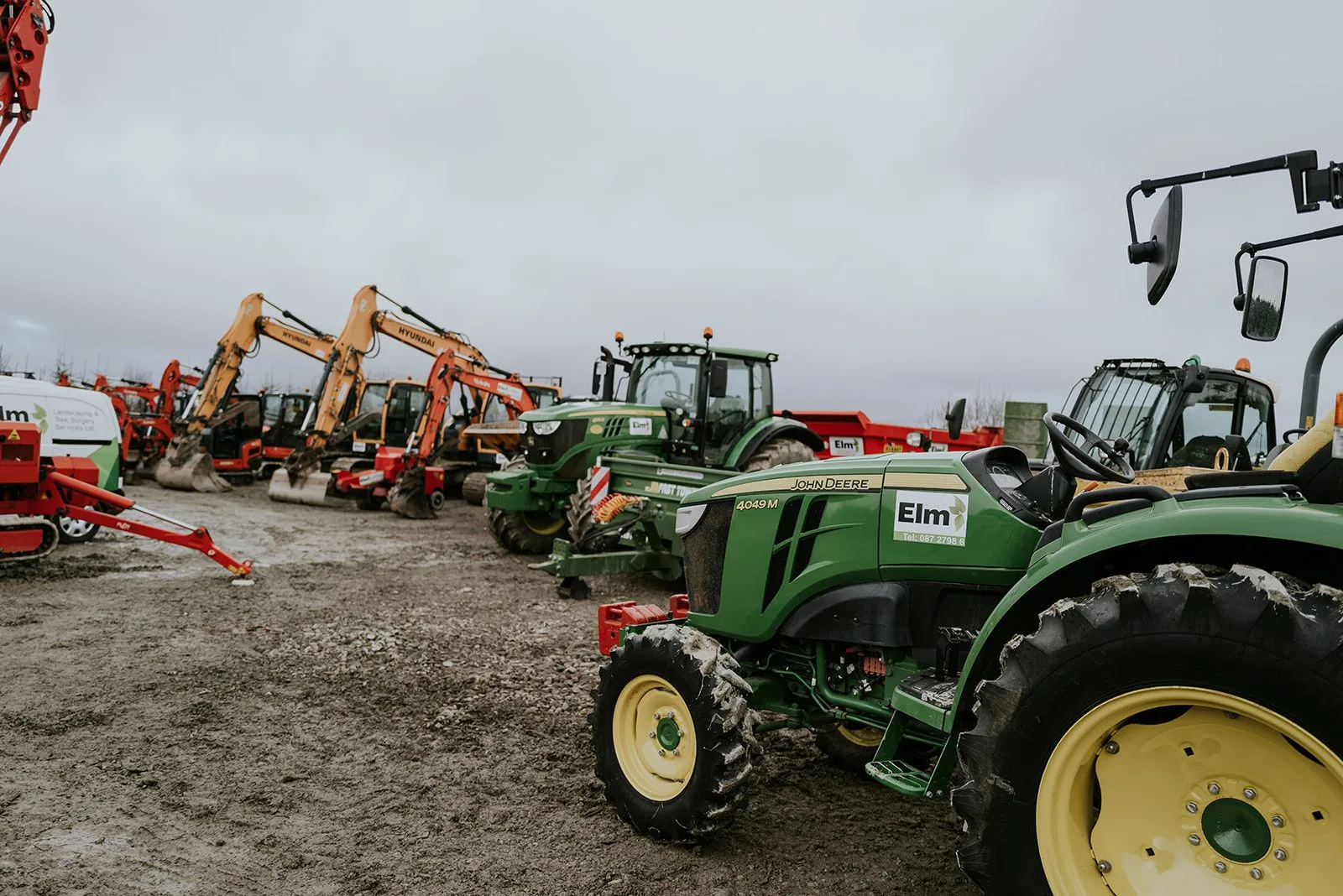
Ready to Improve Your Commercial Property’s Value?
If you’ve read this far, you’re likely sitting on a commercial property that isn’t presenting as well as it could. That gap between your current grounds and what they could look like is a direct gap between your current valuation and what a well-presented equivalent would achieve in the same market.
Elm Landscaping works with commercial landlords, property managers, and business park owners across Clare, Limerick, Galway, and Tipperary. We assess your site, identify the highest-return improvements, and give you a clear plan with realistic costs before any work begins.
There’s no obligation attached to a conversation. If the numbers make sense for your property, we’ll tell you. If they don’t, we’ll tell you that too.