Tree felling cost in Ireland typically runs from €150 for a small tree in an easy, open position to €2,500 or more for a large one with access problems. But quote that figure to a friend and you’ll both be wrong half the time, because two trees that look nearly identical from the road can land four times apart in price, and the reason has nothing to do with size.
Felling isn’t priced like most home services, because the same size tree can land in wildly different bands depending on what surrounds it. The figure that actually matters isn’t the average. It’s whether your tree sits in the straightforward camp or the complicated one, and most homeowners can’t tell the difference until someone explains what actually drives the number, which is exactly what a site visit from a qualified arborist is for, not a guess over the phone.
What Tree Felling Costs by Size
There’s no official Irish average for tree felling, no government dataset tracking it nationally. What follows are market ranges gathered from Irish providers, not a statistical average, so use them to work out which bracket you’re likely in, not to hold a surgeon to a number before they’ve seen the tree.
| Tree Size | Typical Felling Cost |
|---|---|
| Small (under 6m, e.g. a young ornamental or fruit tree) | €150 – €350 |
| Medium (6–15m, typical mature garden tree) | €350 – €900 |
| Large (over 15m, or awkward species like mature oak or beech) | €900 – €2,500+ |
A small tree in an open space with clear ground access is a half-day job for two people. A large tree overhanging a roof, a shed, or a boundary wall is a different job entirely, and the price reflects the extra rigging, the extra time, and the extra risk the crew is carrying on your behalf.
“Felling” and “removal” get used interchangeably, but a quote can cover very different scopes depending on which word the surgeon means. Felling is cutting the tree down. A full removal usually adds sectioning the trunk, chipping the branches, and hauling everything off site, and not every quote includes all of it by default. What’s actually included is worth confirming line by line before you compare two quotes side by side.
What to Decide Between Felling and Pruning?
Felling is permanent. Once a tree comes down, that’s not a decision you get to revisit next season. Pruning, crown reduction, and deadwood removal solve a lot of the same problems without removing the tree entirely. Safety risk, storm damage exposure, overcrowding: none of it requires the whole tree to go. A qualified tree surgeon should be assessing that question before you’re quoted a felling price, not after. If a surgeon jumps straight to a felling quote without asking what you’re actually trying to solve, that’s worth noticing.
This matters for cost too. Tree pruning and crown work are usually charged by time and access rather than by the tree coming down whole, and they’re often the cheaper route if the tree itself is healthy and the actual problem is a low branch, a lean, or a bit of deadwood.
Do You Need a Felling Licence to Cut Down a Tree in Ireland?
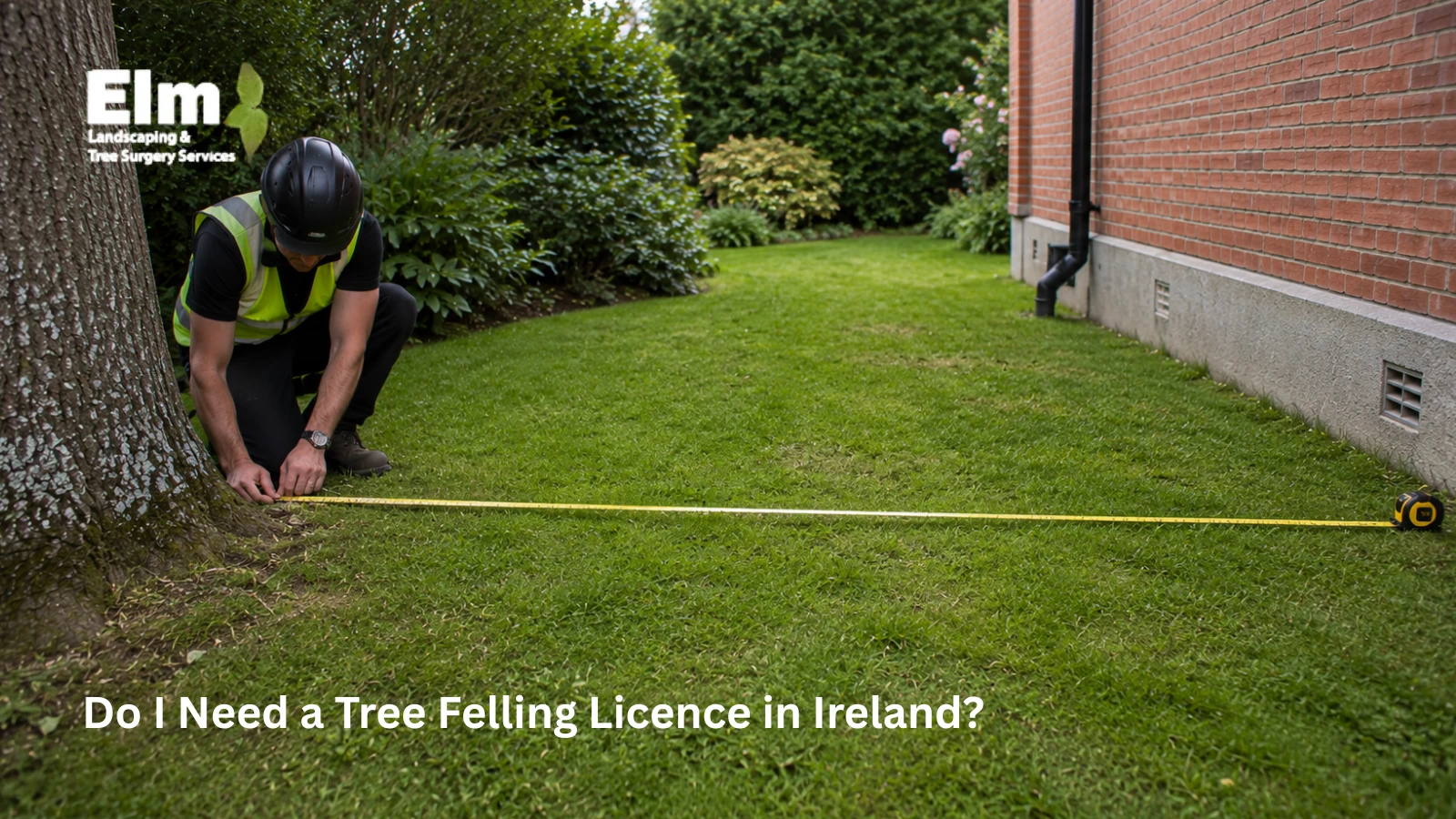
Not every tree in Ireland is yours to fell without paperwork. A tree preservation order, or the general felling licence requirements covered in Citizens Information’s guide to cutting down trees, can turn a simple job into one that needs sign-off before a chainsaw goes near it. This is more common than homeowners expect, particularly for trees near boundaries, in estates with planning conditions attached, or anywhere close to a protected area.
A licence requirement doesn’t change what the felling itself costs. It changes the timeline, and a licence delay is the single most common reason a “quick job” drags into weeks. Ask whoever is quoting whether your tree is likely to need a felling licence or falls under a tree preservation order before you commit to a date, and if you want the full picture on how tree removal permission actually works in Ireland, that’s covered in more detail separately. A surgeon who’s actually done this work in your county will know the answer quickly.
What Changes the Cost of Felling a Tree
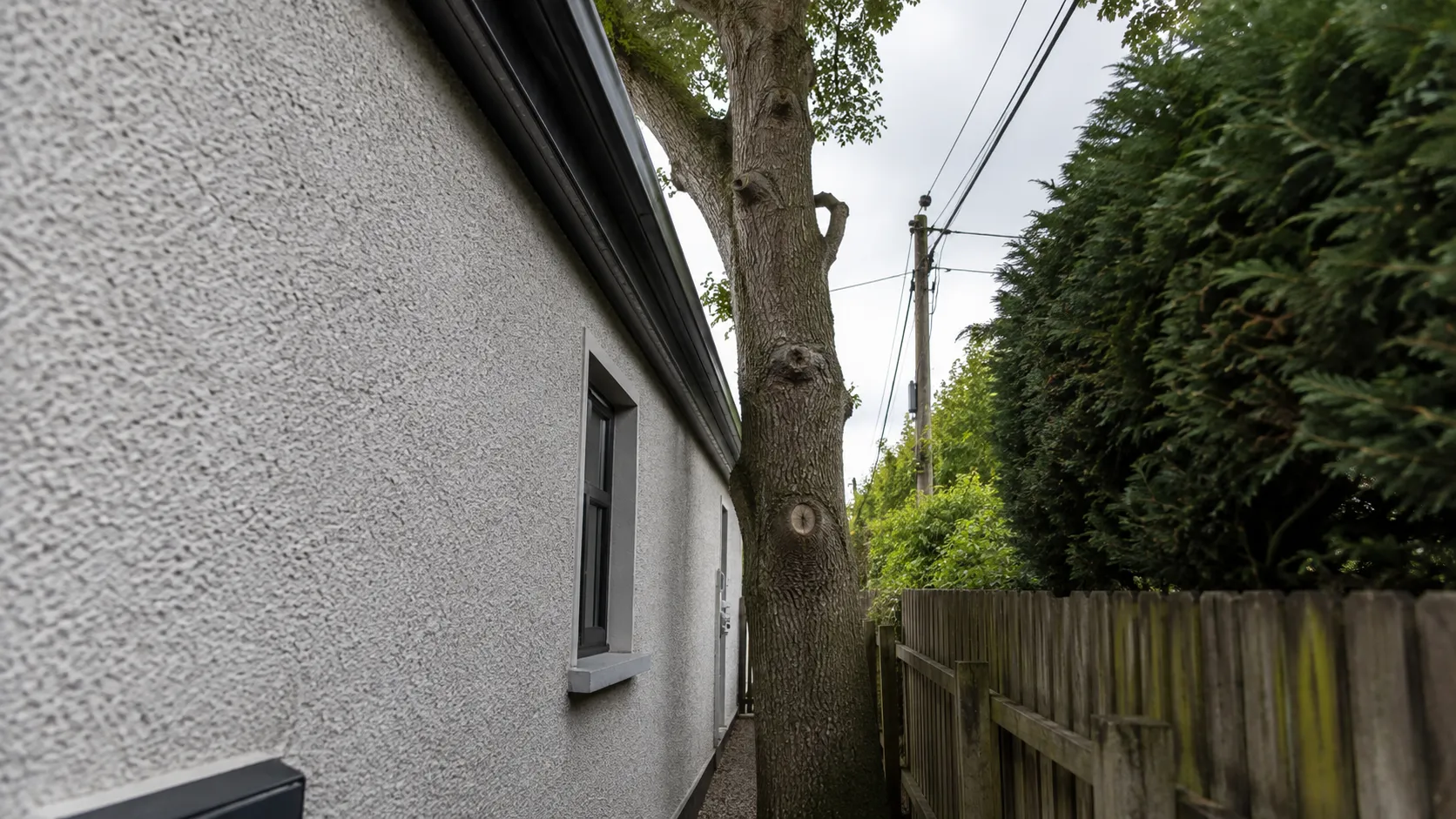
Tree size and location get most of the attention, but they’re only part of the story. Access is usually the bigger factor, and it can matter more than height on its own. A 10-metre tree standing in an open field is often simpler and cheaper to fell than a smaller tree wedged between a house, a shed, and a boundary wall.
| Job scenario | Likely pricing effect |
|---|---|
| Open garden, clear drop zone, easy vehicle access | Lower end of the range |
| Narrow side passage, timber has to be carried out | Higher labour time |
| Tree over a roof, conservatory, shed, or wall | Controlled dismantling and rigging required |
| No room for a chipper or truck on site | More manual handling and disposal time |
| Tree close to overhead power lines | Specialist assessment, possible utility coordination |
A tree growing into lines owned by the ESB needs a specialist approach and, in some cases, coordination with the utility before work starts, which adds cost and time.
Species matters as well. Some timber is dense and slow to cut, some trees have brittle wood that behaves unpredictably mid-fell, and both push up the time a crew needs on site. A dead tree cuts differently to a healthy one. So does a diseased tree, and so does one still standing after storm damage, and each of those changes the hazard level and how the crew approaches the cut. That’s why “how much does tree removal cost” never has a single honest answer. It depends on the complexity of the job, full stop.
How Much Does It Cost to Take Down a Tree in Ireland?
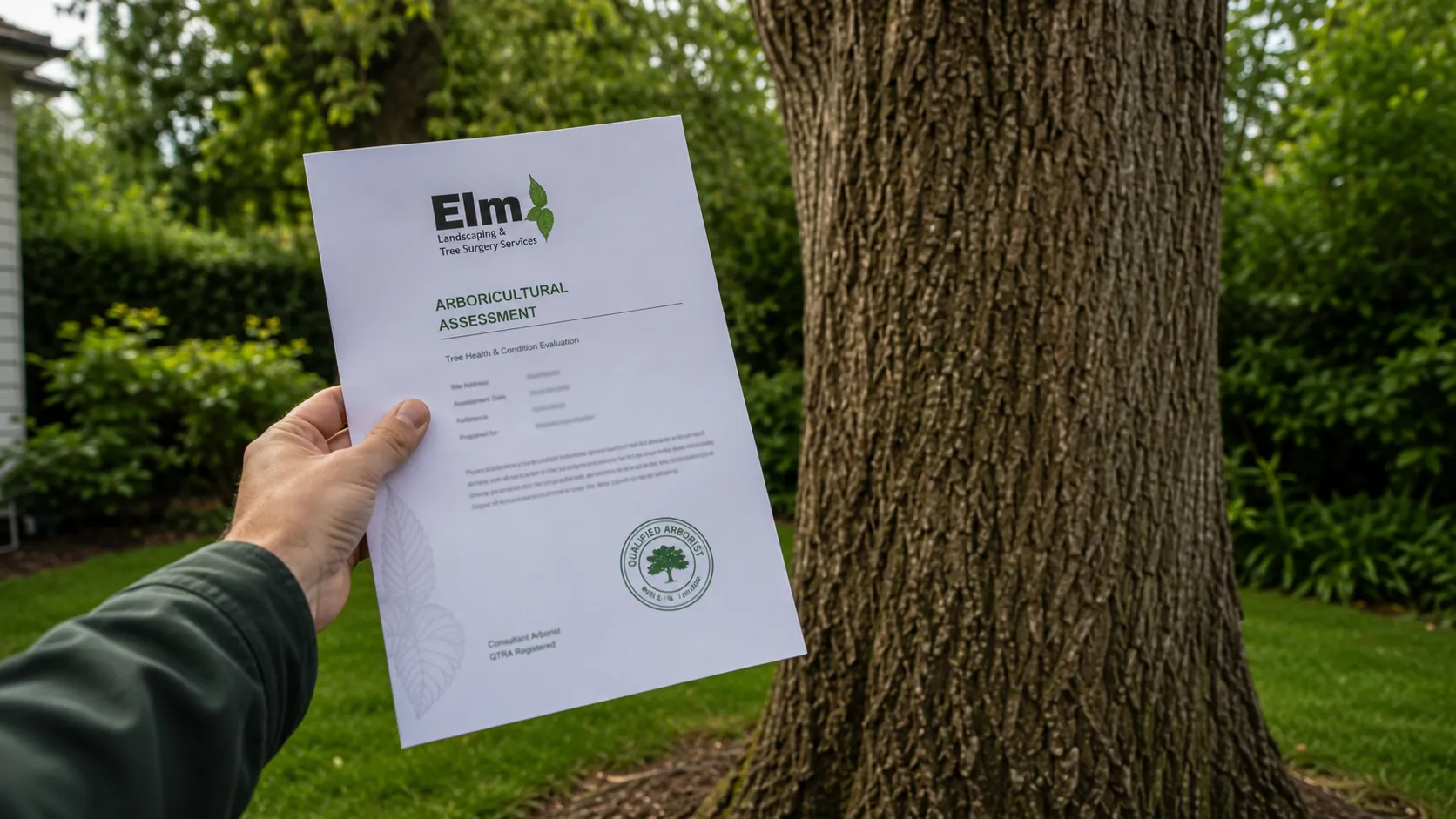
It depends far more on access than most homeowners expect. A tree in an open garden with a clear drop zone can come in as low as €150, while a similar sized tree wedged against a house, a wall, or overhead lines can push past €900 even at a modest height. Size alone won’t tell you which one you’ve got.
Stump Grinding and Waste Removal: The Costs Left Off the Quote
Two things regularly get left out of a felling quote and then come as a surprise. The first is stump grinding. Felling a tree removes the trunk and canopy, not what’s underground, and a stump left in the ground is its own job, priced separately, usually from around €100 for a small stump up to €400 or €500 for a large, deeply rooted one. If you’re planning to landscape, lay a patio, or lay a lawn over that spot, the stump needs to come out properly, not just be cut flush, or you’re looking at a cracked slab or a sunken patch of lawn a year later once the roots underneath do what roots do.
The second is waste removal. Chipping and hauling away the timber and brash from a large tree isn’t free labour, and some quotes include it while others charge it separately. Ask directly, because a quote that looks cheaper on paper sometimes just excludes waste removal and adds it back in afterwards.
Get an Accurate Tree Felling Quote in Ireland
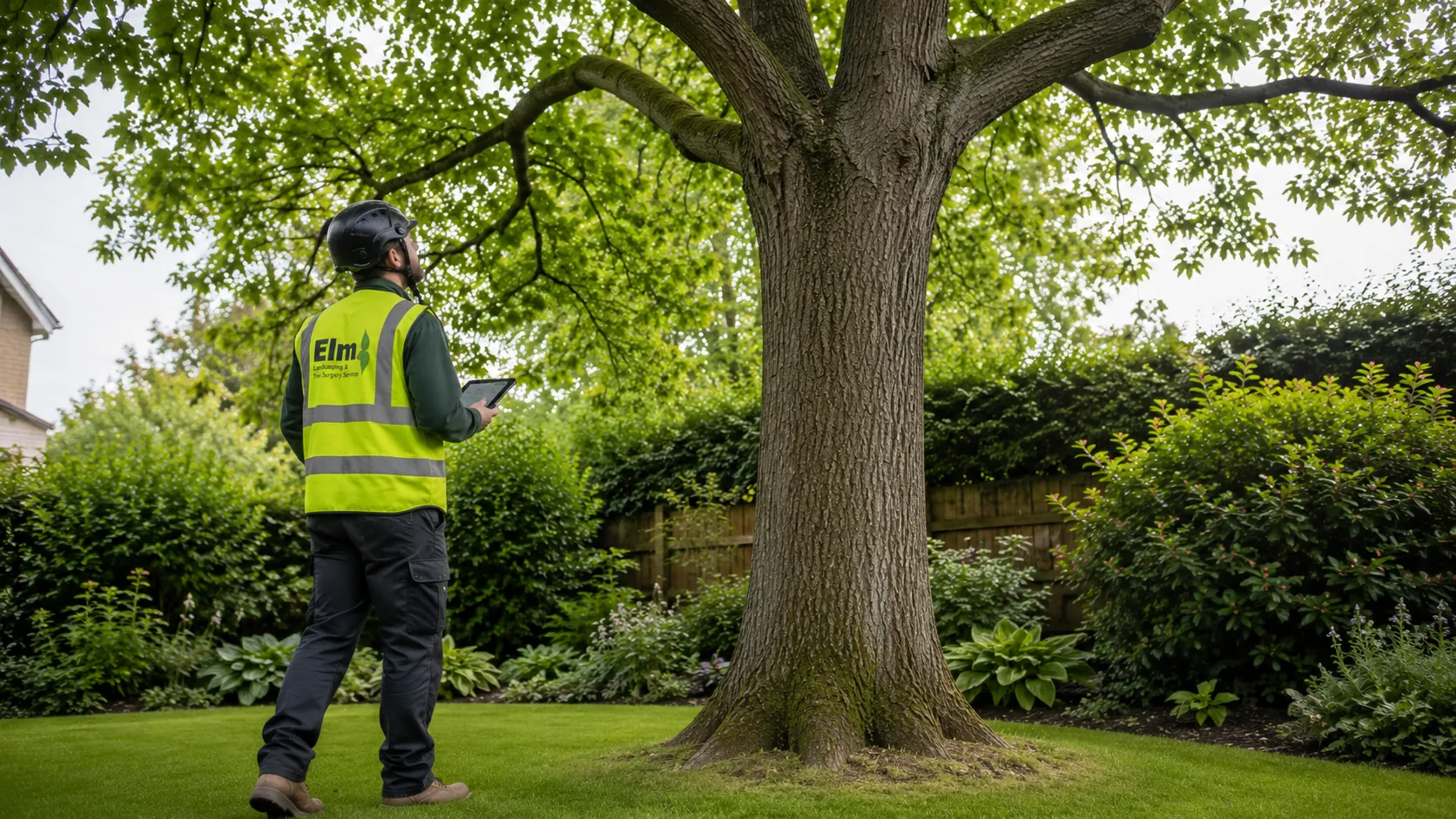
Your tree’s price only becomes real once someone actually sees it. That’s how felling gets priced properly. A surgeon quoting a figure over the phone hasn’t seen the access. Hasn’t seen the species, the hazard level, or what’s underneath and around the tree.
If you’ve got a tree you’re weighing up, whether it’s a straightforward small removal or something bigger with access questions attached, get a quote from a qualified arborist instead of a number pulled from an average.
That’s exactly what our tree felling service is built around.