
Tree surgery, often referred to as arboriculture, is a specialized field that focuses on the care, maintenance, and removal of trees. It encompasses a variety of techniques aimed at ensuring the health and safety of trees while also addressing the needs of property owners. Understanding the different types of tree surgery can help homeowners make informed decisions when it comes to tree care. This article will explore various tree surgery services, from felling and pruning to specialized treatments.
Tree Felling
Outside of commercial forestry, thousands of individual trees are removed annually in towns and cities. For example, Dublin City Council manages over 60,000 street/roadside trees, and inevitably a number are felled each year due to age, construction, or safety issues (dublincity.ie). Local authorities typically record each removal; South Dublin County Council’s open data, for instance, tracks every tree removed and even the stump subsequently ground out (data.gov.ie).
Tree felling is the process of cutting down a tree, often due to safety concerns, disease, or to clear space for construction. This procedure requires skill and knowledge to ensure it is done safely and effectively. The method of felling can vary depending on the tree’s size, location, and surrounding environment.
When felling a tree, professionals assess the tree’s health and structural integrity. They also consider the direction in which the tree will fall, taking into account nearby structures, power lines, and other trees. Proper planning is crucial to prevent accidents and damage during the felling process.
Once the tree is down, the next step often involves removing the stump, which can be a challenging task in itself. This is where stump grinding comes into play, ensuring that the area is clear for future landscaping or construction projects. Stump grinding is a method that uses a specialized machine to chip away at the stump until it is below ground level, allowing for a seamless transition to new plantings or hardscaping. Additionally, the wood chips produced can be repurposed as mulch, providing an eco-friendly solution to waste disposal.
Moreover, tree felling can have significant ecological impacts, especially in forested areas. It is essential to consider the surrounding ecosystem, as trees play a vital role in carbon sequestration, providing habitat for wildlife, and maintaining soil health. In some cases, selective logging practices are employed to minimize disruption to the environment, allowing for sustainable forest management. This approach not only helps in preserving biodiversity but also promotes the growth of younger trees, ensuring the longevity of the forest ecosystem.
Dangerous Tree Removal
Removing dangerous or storm-damaged trees has become a prominent service, especially given Ireland’s severe weather events. Major windstorms in the last five years have knocked down enormous numbers of trees. Storm Ali (September 2018) alone blew down “hundreds of thousands of trees” across Ireland, causing blocked roads and power outages, and leading to a surge in emergency call-outs for tree surgeons to safely clear fallen and hanging trees.
Some trees pose significant risks due to their condition or location. Dangerous tree removal is a specialized service that focuses on trees that are dead, diseased, or structurally compromised. These trees can fall unexpectedly, causing injury or property damage, making their removal a priority. In urban areas, where trees are often situated close to homes, power lines, and pedestrian pathways, the stakes are even higher. A sudden storm or high winds can exacerbate the risk, leading to potential disasters if these trees are not addressed promptly.
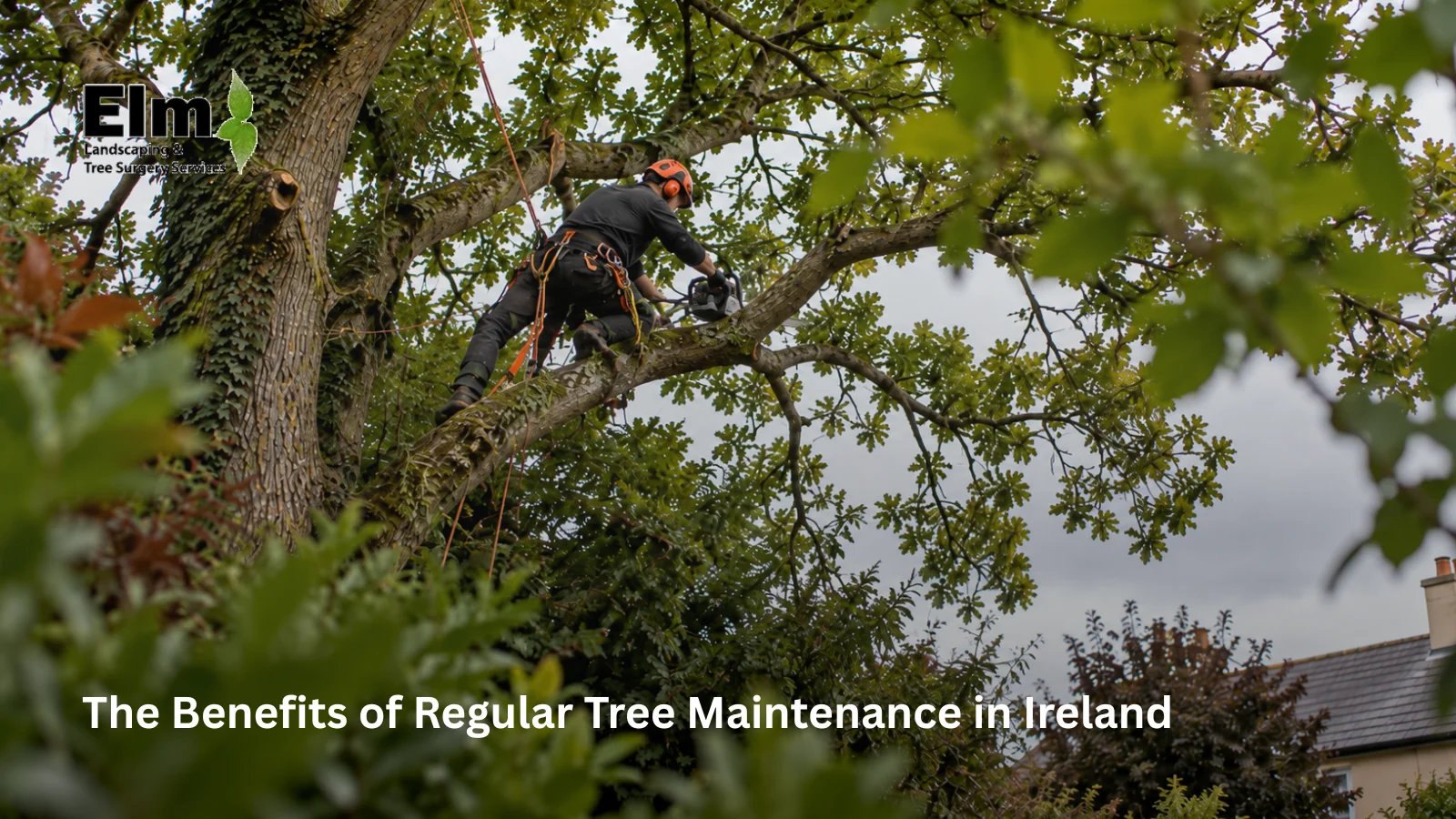
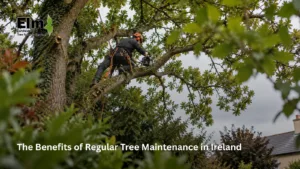
Arborists trained in dangerous tree removal utilize advanced techniques and equipment to safely take down these trees. This often involves climbing the tree and dismantling it piece by piece, especially in confined spaces where a traditional felling approach is not feasible. Safety is paramount, and professionals take extensive precautions to protect themselves and the surrounding area during the removal process. They may use ropes, harnesses, and rigging systems to control the descent of heavy branches, ensuring that they fall in a controlled manner. Moreover, these experts are well-versed in local regulations and guidelines, which can vary significantly depending on the municipality, ensuring compliance throughout the removal process.
In addition to removing the tree itself, the service may also include an assessment of nearby trees to ensure they are healthy and not at risk of becoming dangerous in the future. This proactive approach helps homeowners maintain the safety of their properties over time. Arborists can provide valuable insights into tree care, including recommendations for regular maintenance, disease prevention, and the selection of appropriate tree species for planting in the future. By fostering a healthy landscape, property owners can reduce the likelihood of encountering dangerous trees down the line, promoting a safer and more aesthetically pleasing environment.
The aftermath of dangerous tree removal often involves site cleanup and restoration. Arborists may grind down stumps, remove debris, and even offer replanting services to restore the area. This not only enhances the visual appeal of the property but also contributes to the local ecosystem. Replanting native species can help support wildlife and improve air quality, creating a balanced environment that benefits both humans and nature alike. Overall, dangerous tree removal is not just about eliminating hazards; it’s about fostering a healthier, safer, and more sustainable landscape for years to come.
Tree Pruning and Trimming
Tree pruning and trimming are essential practices for maintaining the health and aesthetics of trees. Pruning involves selectively removing branches to improve the tree’s structure, promote growth, and enhance its overall appearance. This process is typically performed during the tree’s dormant season to minimize stress. By removing dead or diseased branches, pruning helps to redirect the tree’s energy towards new growth, ensuring that it remains vibrant and resilient against environmental stressors.
Trimming, on the other hand, is often done for cosmetic reasons, shaping the tree to fit the landscape or to maintain a certain height. Regular pruning and trimming can prevent issues such as overcrowding, which can lead to disease and pest infestations. Additionally, well-maintained trees can enhance property value and curb appeal, making them a worthwhile investment for homeowners and landscapers alike.
Professional arborists understand the best practices for pruning and trimming, ensuring that cuts are made at the right angles and locations to promote healthy growth. This not only keeps the tree looking its best but also supports its long-term health. Arborists are trained to recognize the signs of stress or disease in trees, allowing them to take proactive measures that can prevent more serious issues down the line. They also consider the specific species of the tree, as different types may require unique approaches to pruning and trimming.
Moreover, the timing of pruning and trimming is crucial. For instance, flowering trees may benefit from pruning right after they bloom, while others may need attention in late winter or early spring. Understanding the growth patterns and seasonal cycles of trees can significantly influence their health and appearance. Furthermore, employing proper techniques not only enhances the tree’s structure but can also improve light penetration and air circulation within the canopy, which are vital for the tree’s overall vitality and the ecosystem surrounding it.
Crown Thinning and Reduction
Crown thinning and reduction are techniques used to manage the density of a tree’s canopy. Crown thinning involves selectively removing branches to allow more light and air to penetrate the tree’s interior, promoting healthier growth and reducing the risk of disease.
Crown reduction, on the other hand, focuses on reducing the overall size of the tree’s canopy. This is often necessary for trees that have outgrown their space or are interfering with power lines or structures. Both techniques require a careful approach to ensure that the tree remains healthy and structurally sound.
These practices not only enhance the tree’s appearance but also contribute to the safety of the surrounding area by minimizing the risk of falling branches during storms or high winds.
Stump Grinding
After a tree has been felled, the remaining stump can be an eyesore and a hazard. Stump grinding is the process of removing the stump below ground level, allowing for a clean slate for landscaping or construction. This process involves using specialized machinery that grinds the stump into small wood chips.
Stump grinding is often preferred over traditional stump removal methods, which can involve digging up the entire root system. This method is less invasive and can be completed quickly, minimizing disruption to the surrounding area.
Once the stump is ground down, the wood chips can be used as mulch or removed, depending on the homeowner’s preference. This service not only improves the aesthetics of the landscape but also prevents potential hazards associated with exposed stumps.
Hedge Maintenance & Removal
Hedges play a vital role in landscaping, providing privacy, windbreaks, and aesthetic appeal. However, they require regular maintenance to keep them healthy and looking their best. Hedge maintenance includes trimming, shaping, and disease management to ensure that the hedge remains dense and vibrant.
In some cases, hedge removal may be necessary, especially if the hedge has become overgrown, diseased, or is no longer serving its intended purpose. Professional arborists can assess the situation and determine the best course of action, whether it involves rejuvenating the hedge through pruning or removing it entirely.
Proper hedge maintenance not only enhances the beauty of the landscape but also contributes to the overall health of the plants, preventing issues such as pests and diseases that can arise from neglect.
Deadwood Removal and Maintenance Pruning
Deadwood removal is an important aspect of tree care that involves identifying and removing dead or dying branches. These branches can pose a risk to the tree’s health and the safety of the surrounding area. Removing deadwood helps to improve air circulation within the tree and reduces the risk of disease.
Maintenance pruning complements deadwood removal by focusing on the overall structure and health of the tree. This practice involves removing branches that may be crossing or rubbing against each other, as well as thinning out crowded areas to promote healthy growth.
Regular deadwood removal and maintenance pruning can significantly extend the life of a tree, ensuring it remains a valuable part of the landscape for years to come.
Tree Removal and Felling
Tree removal and felling are often used interchangeably, but they can refer to slightly different processes. Tree removal encompasses the complete removal of a tree, including its roots and stump, while felling specifically refers to the act of cutting the tree down.
When a tree needs to be removed, professionals will assess the situation to determine the safest and most effective method. Factors such as the tree’s size, location, and condition will influence the approach taken. In many cases, a combination of felling and stump grinding will be employed to ensure a thorough removal.
Tree removal can be a complex task that requires specialized equipment and expertise. Hiring a professional arborist ensures that the job is done safely and efficiently, minimizing risks to people and property.
Complete Tree Removal and Stump Grinding
Complete tree removal and stump grinding are often performed together to ensure that the area is completely cleared. This process begins with the careful felling of the tree, followed by the grinding of the stump to below ground level.
Professionals use specialized equipment to grind the stump, which can take anywhere from a few minutes to several hours, depending on the size of the stump. Once the stump is ground, the area can be filled with soil or mulch, allowing for new landscaping opportunities.
By opting for complete tree removal and stump grinding, homeowners can reclaim their outdoor space and enhance the overall appearance of their property.
Sectional Dismantling Techniques
Sectional dismantling is a technique used for removing trees in confined spaces where traditional felling methods are not feasible. This approach involves carefully climbing the tree and removing it in sections, starting from the top and working downwards.
Professional arborists use ropes and rigging systems to lower each section safely to the ground, minimizing the risk of damage to surrounding structures and landscapes. This technique requires a high level of skill and experience, making it essential to hire qualified professionals for such tasks.
Sectional dismantling is particularly useful in urban environments where space is limited, allowing for the safe removal of trees without the need for extensive equipment or disruption to the surrounding area.
Specialized Tree Surgery Services
In addition to the more common tree surgery services, there are specialized treatments available for specific tree health issues. These services often require advanced knowledge and techniques to diagnose and treat various tree diseases and structural problems.
Homeowners should be aware of these specialized services, as they can significantly impact the health and longevity of their trees. Consulting with a professional arborist can provide valuable insights into the best practices for tree care.
Tree Disease Diagnosis and Treatment
Tree disease diagnosis and treatment is a critical service offered by arborists. Trees can be susceptible to a variety of diseases caused by fungi, bacteria, and pests. Identifying the specific disease affecting a tree is essential for determining the appropriate treatment.
Arborists use a combination of visual inspections and diagnostic tools to assess tree health. Once a diagnosis is made, treatment options may include pruning infected branches, applying fungicides, or implementing cultural practices to improve the tree’s overall health.
Regular monitoring and early intervention can prevent the spread of disease, ensuring that trees remain healthy and vibrant throughout their lifespan.
Cabling and Bracing for Structural Support
Cabling and bracing are techniques used to provide additional support to trees with structural weaknesses. This is particularly important for trees with multiple trunks or those that have sustained damage from storms or other environmental factors.
By installing cables and braces, arborists can help stabilize the tree, reducing the risk of failure during adverse weather conditions. This preventative measure can extend the life of a tree and maintain its aesthetic value in the landscape.
Professional assessment is crucial in determining the need for cabling and bracing, as improper installation can lead to further damage. Consulting with an experienced arborist ensures that the right techniques are employed for each unique situation.
In conclusion, tree surgery encompasses a wide range of services designed to maintain the health, safety, and aesthetics of trees. From tree felling and pruning to specialized treatments for diseases, understanding the various types of tree surgery can help homeowners make informed decisions about their tree care needs. Engaging professional arborists ensures that these tasks are performed safely and effectively, contributing to the longevity and beauty of trees in the landscape.