
The hedge cutting season in Ireland runs from 1 September to the end of February. Outside those months, cutting is illegal.
Most people know there is a rule. Fewer know how broadly it applies. It covers homeowners in Ennis the same as farmers in Kerry. It covers burning, grubbing and digging, not just trimming. And it comes with real penalties for anyone who assumes it only applies to roadside hedgerows on agricultural land.
From 1 March to 31 August, it is illegal to cut, grub, burn or otherwise destroy vegetation growing in any hedge or ditch. No exceptions for tidiness. No exceptions because the hedge is overgrowing your path. The law applies to homeowners, farmers, contractors, and local authorities alike.
This restriction comes from Section 40 of the Wildlife Act 1976, as amended, which prohibits the cutting, grubbing, burning or destruction of vegetation growing on any land not then cultivated between those dates. It protects nesting birds and other wildlife that depend on hedgerows for breeding and shelter during the summer months. For the full legal detail, see hedge cutting rules on Citizens Information.

Why Hedges Are Protected During Nesting Season
Ireland’s hedgerows are not just a countryside feature. They form one of the most important wildlife habitats in the country, and that importance is amplified by context: Ireland has one of the lowest rates of native woodland cover in the EU. With so little native forest, hedgerows carry an ecological weight here that they simply do not carry in most other countries.
Hedgerows provide nesting sites for birds during the breeding season, food for insects including pollinators, wildlife corridors connecting fragmented habitats, and shelter for mammals including badgers, hedgehogs and stoats. They store carbon, help mitigate fertiliser run-off, and support biodiversity in ways that few other landscape features can.
BirdWatch Ireland has consistently highlighted the critical role hedgerows play in sustaining bird species that nest close to the ground or within dense vegetation. The National Parks and Wildlife Service (NPWS) enforces the restriction under the Wildlife Act, and penalties for illegal cutting are real. If you see someone cutting during the closed period, you can report it to your local NPWS office or the Gardaí.
Cut a hedge during this period and you are not just damaging a plant. You can destroy active nests, expose eggs and chicks, and eliminate the food and shelter that birds and other wildlife depend on at the most vulnerable point in their breeding cycle.
What Does the Hedge Cutting Ban Actually Cover?
The scope of the ban is broader than most people realise. The Wildlife Act prohibits all of the following during the closed season:
Cutting, grubbing (digging or excavating a hedge or ditch), burning, and any other form of destruction of vegetation growing on or in a hedge or ditch.
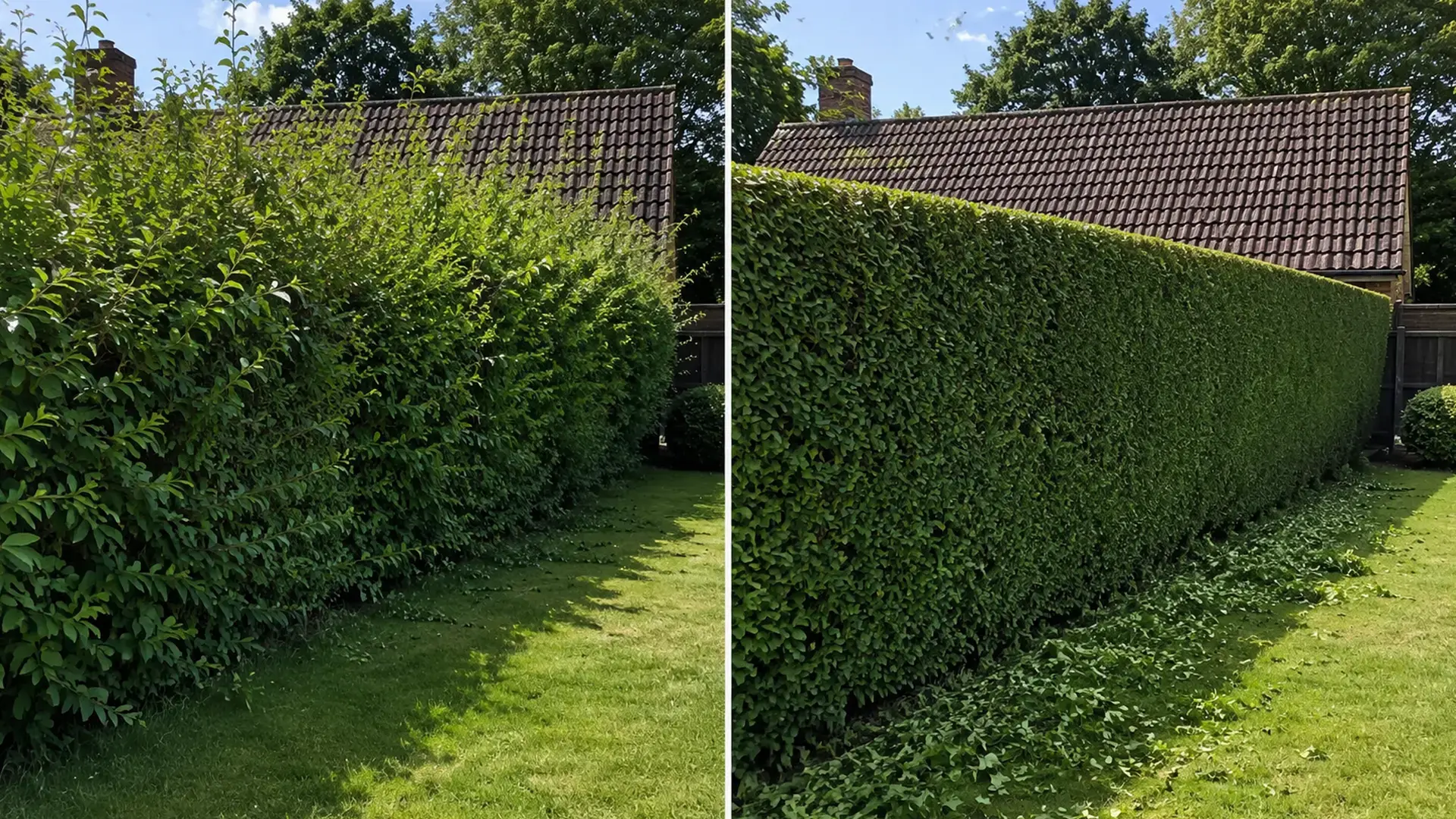
That means you cannot mechanically flail a hedge from a tractor, you cannot dig out a hedgerow root system, and you cannot burn the boundary growth back — which is why professional hedge maintenance and removal is often the safer route for complex boundary work.
Are There Any Exemptions to the Hedge Cutting Ban?
There are legitimate exemptions, and understanding them matters for both homeowners and landowners.
Road safety. Under Section 70 of the Roads Act 1993, you are required to ensure that vegetation on your land does not obstruct road users or create a hazard. If a hedge is obscuring a road sign, blocking sightlines at a junction, or encroaching on a public road in a way that creates a genuine danger, trimming is permitted during the closed season. The key word is genuine. This exemption is not a licence for routine maintenance dressed up as a safety concern. It covers only the minimum cutting required to remove the actual hazard.
Road or construction works. Vegetation clearing during road construction or site development is permitted. This covers authorised works only, not general clearance on the basis that a site might eventually be developed.
Ordinary course of farming or forestry. Limited, purposeful interventions only. Not general maintenance cutting dressed up as agricultural necessity.
Garden hedges: the nuance most guides get wrong. This one causes more confusion than any other. Minor trimming of cultivated garden hedges in the ordinary course of gardening is generally permissible during the closed season, provided there are no active bird nests present. The critical condition is that there must be no active nest. If you can see nesting birds, or signs of a nest in use, that hedge stays untouched until the nest is vacated.
This does not mean full cutting or major shaping work is permitted on a garden hedge in July. It means that a light trim to keep a domestic hedge from blocking your gate can be defensible in some circumstances. When in doubt, wait until September.
Does the Hedge Cutting Ban Apply to Garden Hedges?
The hedge cutting ban is widely understood in farming contexts. It is far less understood by homeowners, which is why county councils regularly issue reminders specifically targeted at residential areas.
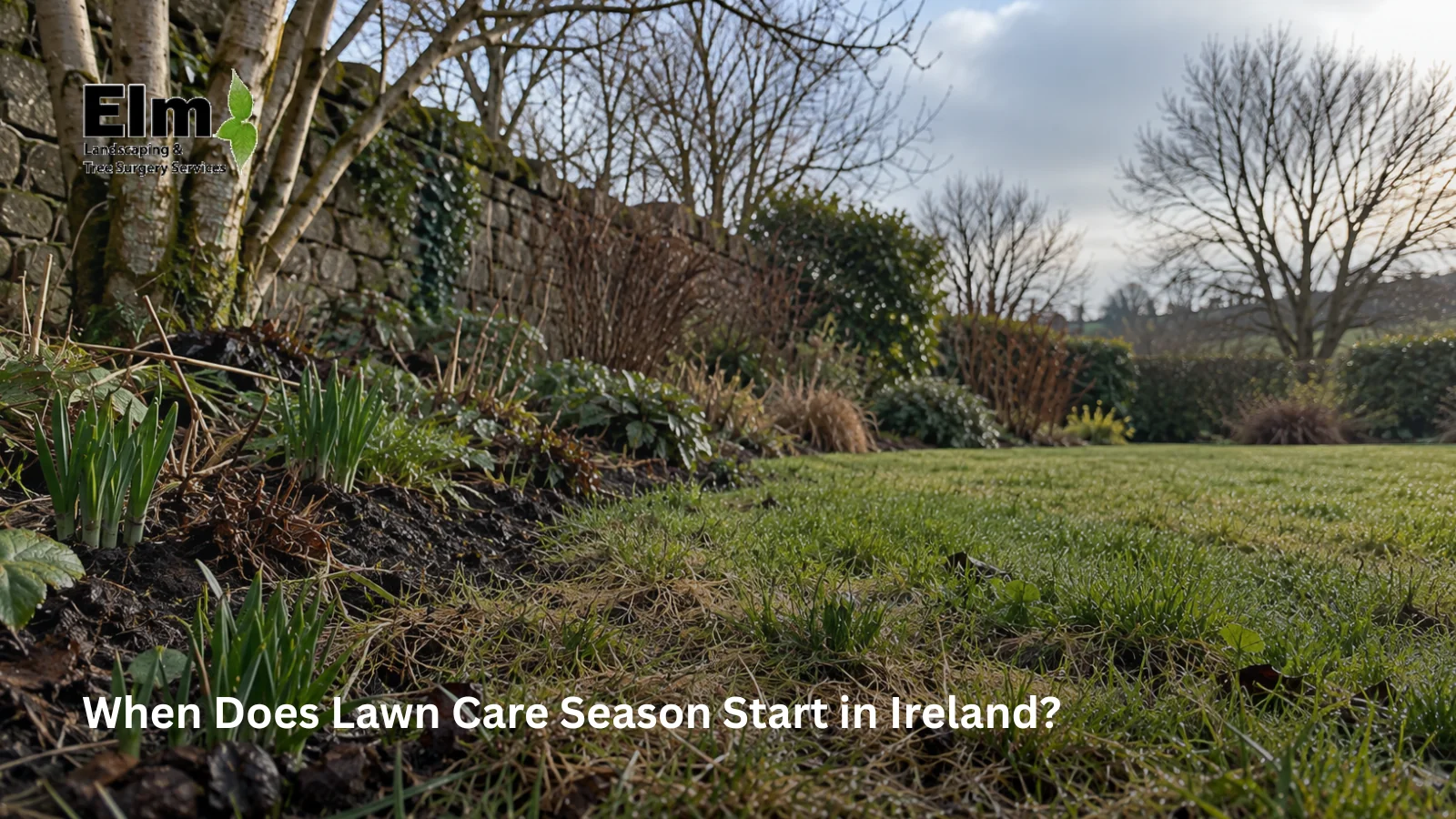
The Wildlife Act does not distinguish between a roadside hedgerow on a Galway farm and a mixed native hedge running along the back of a garden in Ennis. Both are covered. If your garden hedge contains hawthorn, blackthorn, hazel, or any other species growing in a boundary line, the closed season applies.
This matters because many homeowners schedule their garden maintenance in late spring or early summer, precisely when the hedge is in active growth and, very often, actively occupied by nesting birds.
A robin or wren nesting in a beech hedge at the end of your garden is not visible without looking closely. The nest will be there whether you see it or not.
Plan all significant hedge cutting for the September to February window. Use that period to shape, reduce, and tidy. Leave the hedge alone from March onwards. And even within the open season, check for nesting activity before you start. Early morning visits to the hedge, watching for adult birds carrying food or nesting material, are the simplest way to confirm whether a nest is active.
Best Time to Cut Hedges in Ireland by Type
Knowing you are allowed to cut from September is the starting point. Knowing when within that open season is best for your particular type of hedge produces much better results.
Hawthorn and blackthorn (native mixed hedging). These are the backbone of Irish countryside hedgerows and increasingly common in residential boundary planting. Hard cutting is best done in late autumn or early winter, once the berries have been taken by birds and before the January/February growth surge begins.
Cutting in October or November gives the hedge a full growing season to recover and fill out.
Beech hedging. Beech holds its copper leaves through winter, which makes timing visual. Cut in late August or early September, just before the closed season ends. This gives the hedge time to push new growth before winter closes in, while keeping it dense and tidy through the colder months.
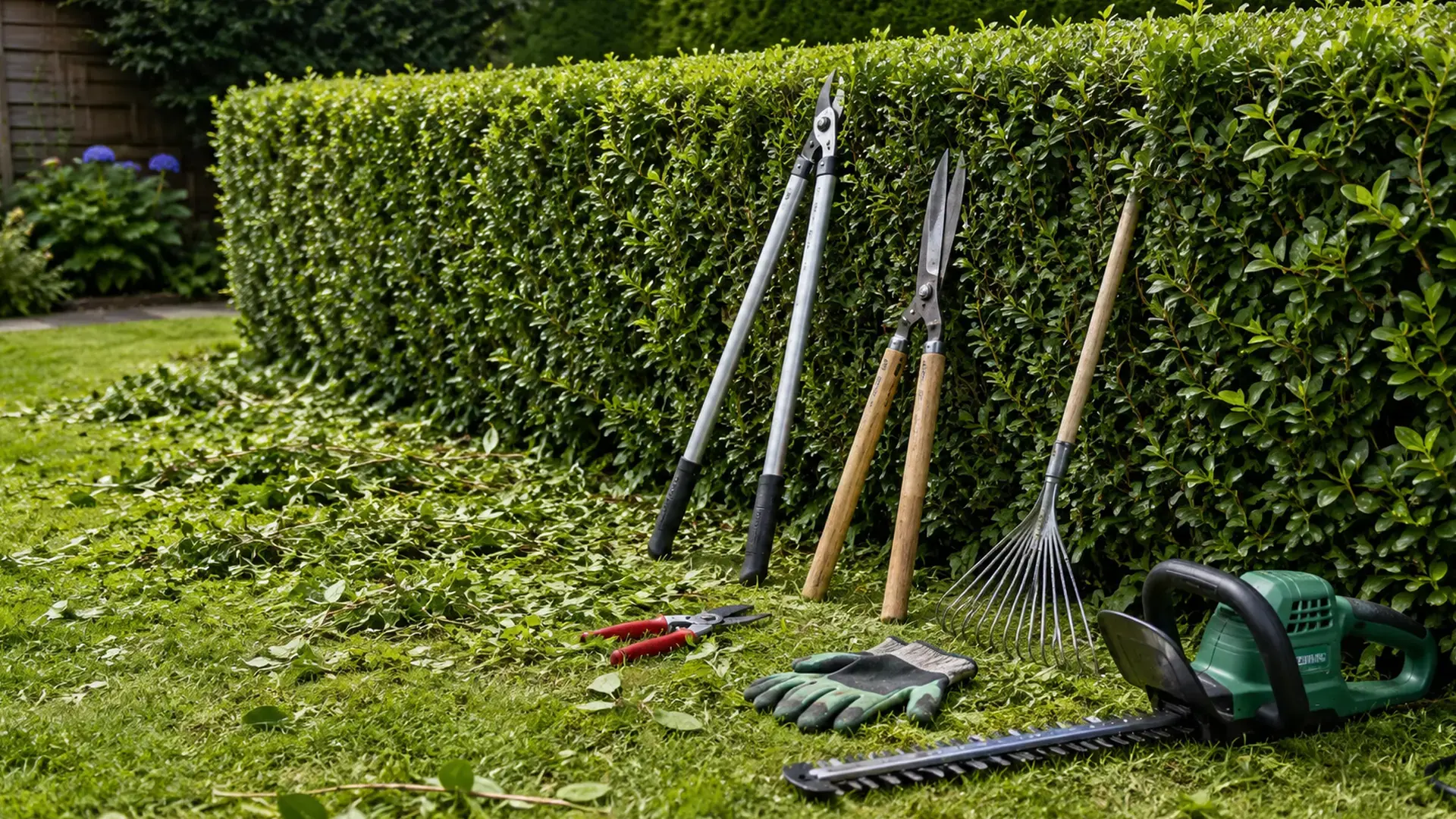
Laurel (cherry laurel and Portuguese laurel). Evergreen and fast-growing, laurel responds well to harder cutting in September. Use secateurs or a hedge cutter with sharp blades rather than a flail, which leaves cut edges prone to browning. A second light tidy in February keeps the shape before the growing season begins.
Leylandii and other conifers. Early autumn cutting, August or September, works best. Leylandii will not regenerate from old wood, so avoid cutting back beyond the green growth on any given pass.
Keeping on top of leylandii removal and cutting twice a year within the open season is far easier than correcting years of unchecked growth.
Flowering hedges (escallonia, forsythia, flowering currant). Cut immediately after flowering. For most Irish conditions this falls within the open season naturally, but check before proceeding. The goal is to prune the flowered wood without removing next year’s buds.
What Are the Penalties for Illegal Hedge Cutting in Ireland?
Illegal hedge cutting is a criminal offence under the Wildlife Act. Penalties can include fines and prosecution. Farmers face the additional risk of cross-compliance penalties under EU agricultural payment schemes, which can result in significant reductions to direct payments.
A separate provision applies year-round. Under Section 22 of the Wildlife Acts, it is a criminal offence to wilfully destroy, injure or mutilate the eggs or nest of a wild bird, or to disturb a wild bird on or near a nest containing eggs or unfledged young, at any time of year.
This means that even within the open season, if a bird is actively nesting in your hedge, cutting that hedge is a separate offence regardless of the date.
A homeowner trims a garden hawthorn hedge in June without checking for nests. A robin nest with eggs is destroyed. This can result in prosecution under Section 22, even if the homeowner assumed garden hedges were excluded from the rules.
The safe alternative is straightforward.Schedule pruning for September, or inspect closely before cutting and postpone if there are any signs of nesting activity.
The Heritage Council and the NPWS monitor hedgerow removal and destruction. County councils can also take action where illegal cutting is reported or observed. If you are a landowner who has removed an established hedgerow without the required consent from the Department of Agriculture, Food and the Marine (DAFM), replanting obligations can be imposed.
If you see it happening, report it. Note the time, date, location, and vehicle registration if machinery is involved. Report to your local NPWS office or Garda station.
When to Hire a Professional Hedge Cutting Service
Not all hedge cutting is straightforward. And the window to do it properly is shorter than most people plan for.
Professional landscapers’ schedules fill quickly once September arrives. Homeowners and property managers who leave it until autumn to book often find availability is limited for the best cutting months. Book in summer for autumn work, before the open season begins and the better slots are gone.
Overgrown hedges that have been left uncut for several years need a proper plan before the first cut, not just a contractor with a flail mower. Severely overgrown native hedging can be restored through phased cutting over two or three seasons, preventing the kind of dieback that comes from cutting too hard too fast. Getting this wrong is easy. Recovering from it takes years.
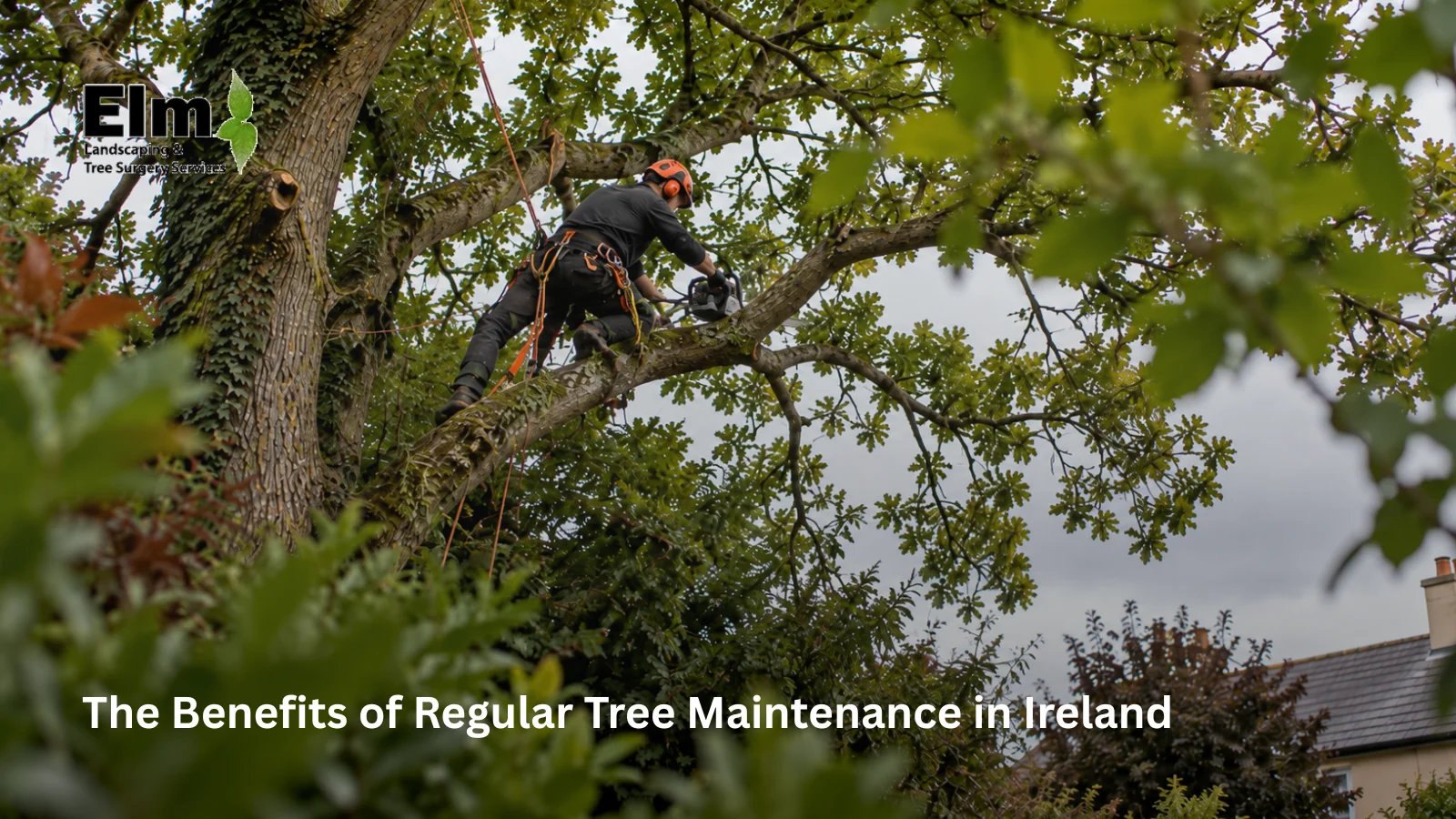
Tall boundary hedging, particularly leylandii that has reached several metres in height, requires proper access equipment and planning. A badly managed reduction cut on a tall conifer hedge is difficult to reverse.
That is where experience makes the difference. At Elm Landscaping, we carry out hedge cutting across Clare, Limerick, and Galway from September through to the end of February. Our team understands the seasonal rules, the biology of each hedge type, and the difference between a cut that keeps a hedge healthy and one that leaves it struggling for years.
If your hedges need attention this season, or if you are dealing with an overgrown boundary that has been left too long, the worst outcome is reaching 1 March with the job still not done and six months of restrictions ahead of you. Get it sorted before that window closes.
Get my hedges sorted this season
Frequently Asked Questions
When can I cut hedges in Ireland?
Between 1 September and the end of February. Outside those dates, from 1 March to 31 August, cutting is illegal under the Wildlife Acts 1976 to 2012. Limited exemptions apply for road safety and certain construction or farming activities, but they are narrow.
Does the hedge cutting ban apply to my garden hedge?
Yes, and this is the part most homeowners miss. The ban applies to all hedgerows, including those in residential gardens. If your garden has a boundary hedge, it falls under the same rules as a farm hedgerow. Minor trimming of a cultivated garden hedge may be defensible during the closed season if there are no active nests, but any significant cutting should wait until September.
Can I cut hedges for road safety during the ban?
You can trim vegetation during the closed season if it genuinely poses a hazard to people using a public road, under Section 70 of the Roads Act 1993. This covers hedges blocking visibility at junctions or obstructing road signs. It does not cover general maintenance on the basis that the hedge has become untidy or inconvenient.
What months are you not allowed to cut hedges in Ireland?
You are not permitted to cut hedges between 1st March and 31st August. That is six months of the year. The restriction begins on 1 March each year regardless of growth conditions.
What is the penalty for cutting hedges during the nesting season?
A criminal offence under the Wildlife Act, with fines and prosecution as possible outcomes. Farmers also risk cross-compliance penalties that can reduce their EU agricultural payments significantly.
Can I cut my neighbour’s hedge?
A hedge on a boundary is generally treated as joint property. You can cut back branches or roots that have grown onto your land, but only as far as the boundary line. You cannot cut down or significantly alter a shared boundary hedge without your neighbour’s consent. Always check whether a tree preservation order applies before any cutting that affects a shared boundary tree or hedge.
What is the best month to cut hedges in Ireland?
September and October tend to produce the best results for most hedge types. Autumn cutting allows the hedge time to seal cut surfaces before winter while still leaving enough growing season ahead to push new growth in spring. For flowering hedges, cut immediately after they finish flowering, which for many species in Ireland falls in early to mid-summer, well within the open season.